






Application of peristaltic pump in ion chromatograph
2025-08-22 00:27:11
An ion chromatograph is a kind of analytical instrument widely used in chemistry, biochemistry, environmental science, and other fields. It helps scientists perform accurate analysis and detection by separating and determining ions in solution. An ion chromatograph is an analytical instrument based on the interaction of ions between the stationary and mobile phases. The ions in the sample to be tested are separated by the column and then quantitatively analyzed by the detector.
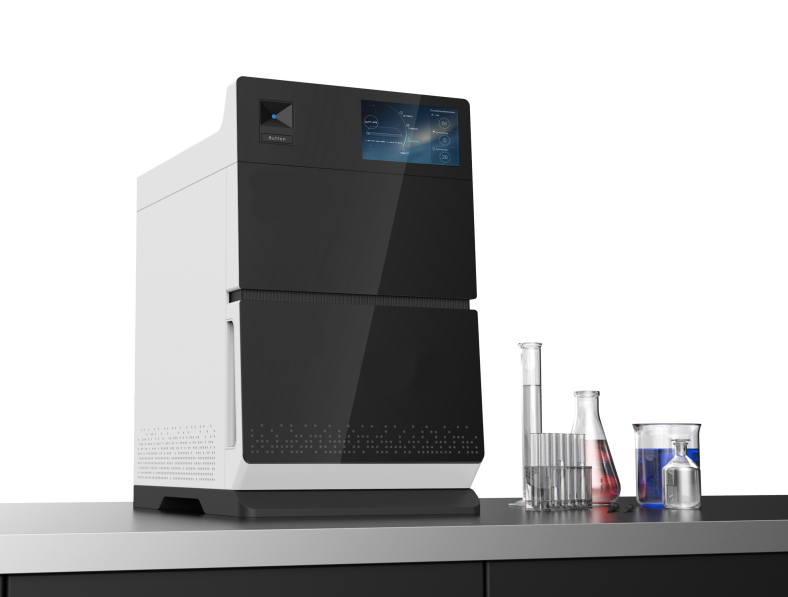
Ion chromatographs have a wide range of applications in many fields:
Environmental monitoring: Detect ionic pollutants in water, atmosphere and soil, such as heavy metal ions, anions, and cations.
Food safety field: detection of ionic residues in food, such as preservatives, nutritional elements and harmful substances.
Pharmaceutical industry: In the field of drug analysis and quality control, it is possible to ensure the safety and effectiveness of drugs.
Biochemistry: Used to analyze ions in biological samples, such as proteins, nucleic acids and metabolites.
How an ion chromatograph works: The working principle of an ion chromatograph is based on the interaction between ions in the stationary and mobile phases. In an ion chromatograph, after the sample enters the system, it first passes through the sampler into the column. The column is a tubular structure filled with a stationary phase, which can be an ion exchange resin, a hydrophilic gel, or other material. The ions in the sample interact with the stationary phase in the column, and the retention time of different ions is different, so as to achieve separation. The mobile phase then passes through the column and brings the separated ions to a detector for detection and quantification. Commonly used detectors include conductivity detectors, optical detectors,s, and mass spectrum detectors. Finally, the ion chromatograph converts the detected signal into the ion concentration and generates the corresponding data report.
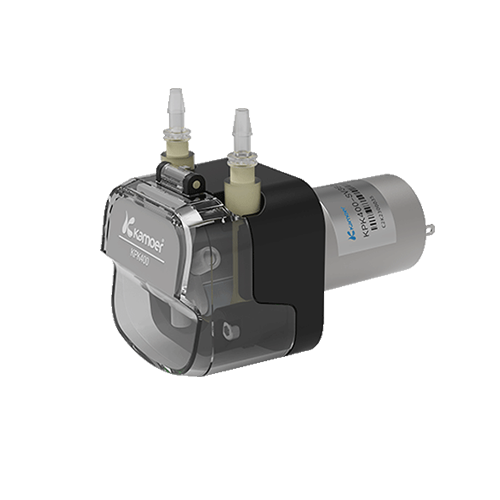
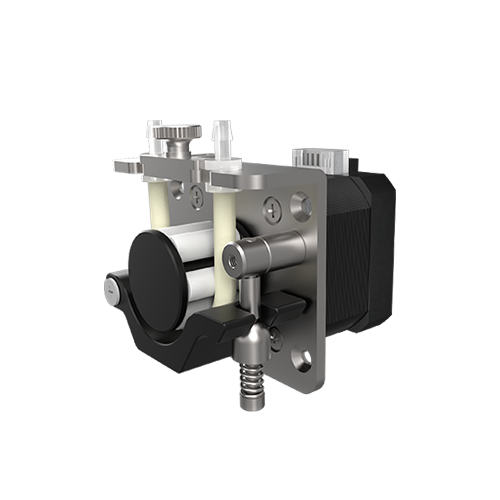
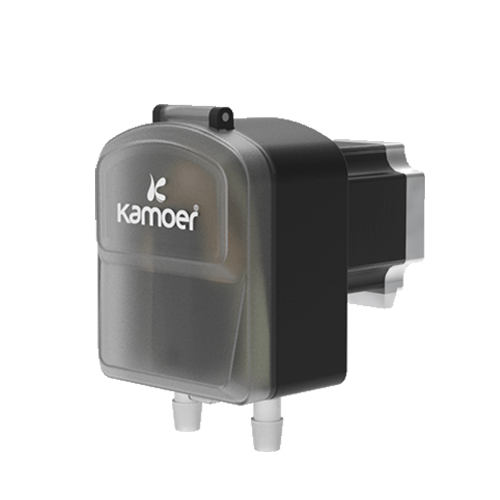
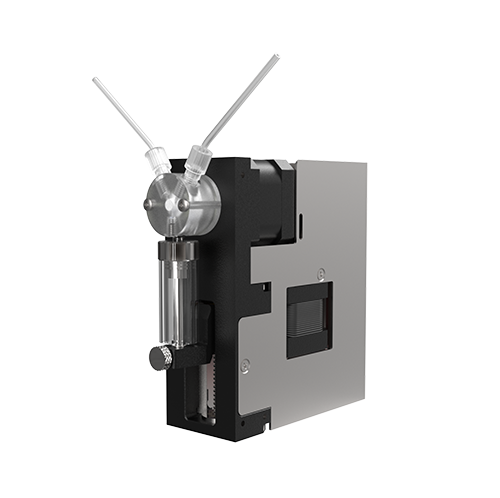
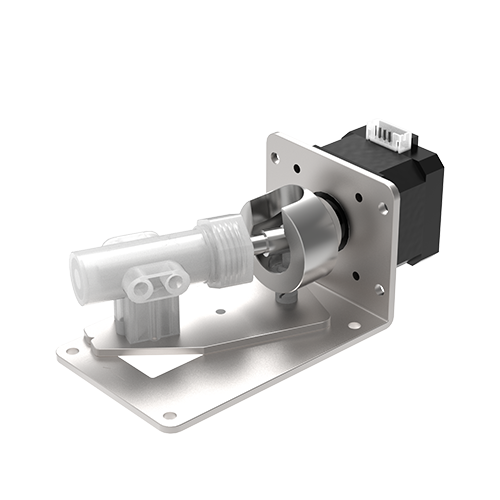
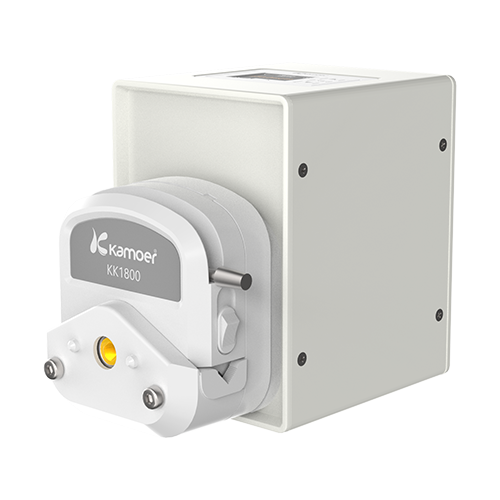
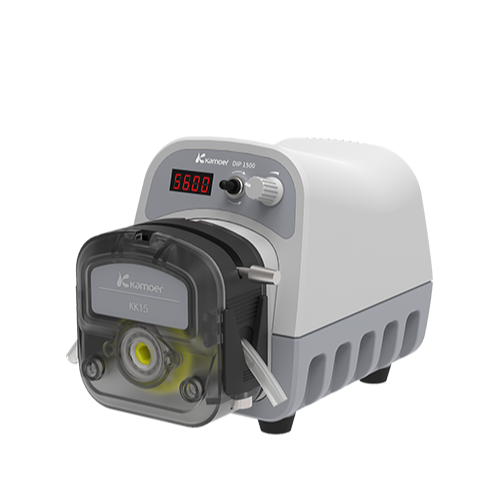
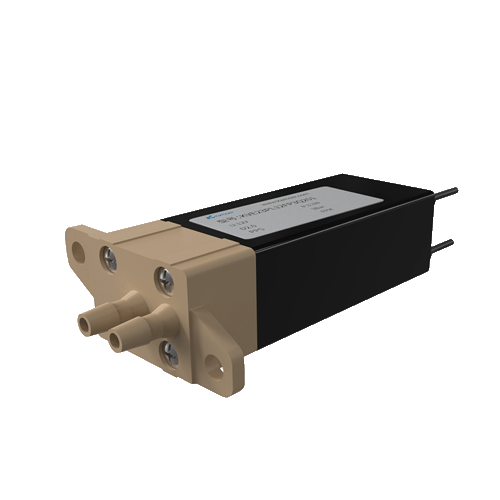
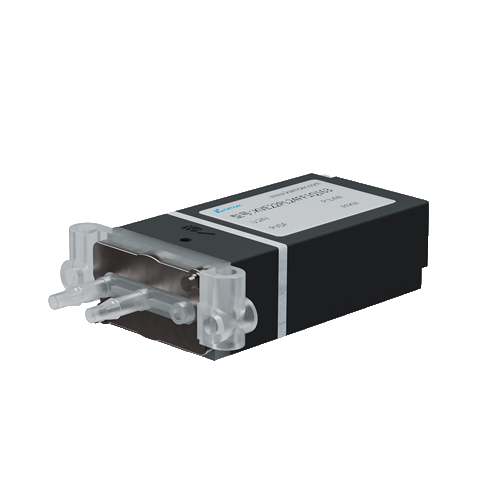
Kamoer KFS micro pumps play an important role in cleaning chromatographic columns in ion chromatographs. After a period of use, the column will accumulate sample residues and impurities, affecting the accuracy and repeatability of the analytical results. The Kamoer KFS micro pump restores its separation performance by providing the right amount of solvent flow to flush the residue out of the column. This can extend the service life of the column, reduce the experimental error, and improve the reliability of the experimental results.
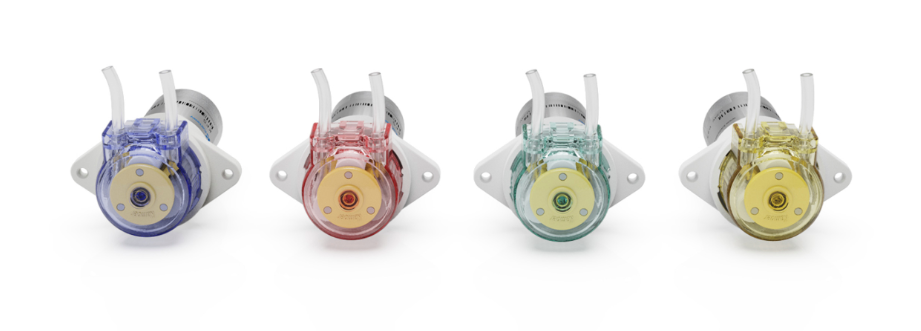
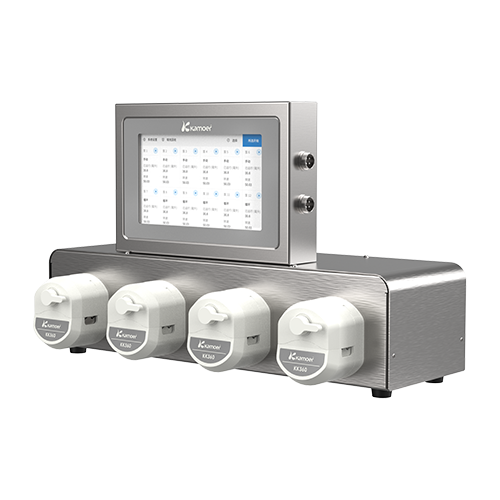
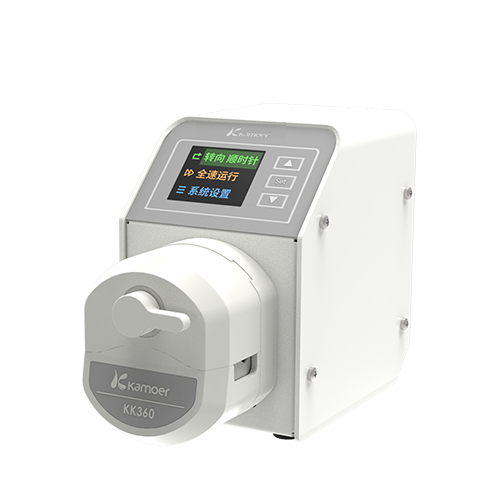
Kamoer KFS micro pumps use peristaltic pump technology to push solvents into the column through peristaltic motion. A peristaltic pump is a pump based on the principle of peristalsis, which pushes solvent through the pressure generated by peristaltic movement. The Kamoer KFS micro pump has a compact design and high-precision flow control for ion chromatographs in the laboratory. It can provide a stable solvent flow to ensure the cleaning effect and separation performance of the column.
The Kamoer KFS micro pump plays an important role in ion chromatographs, ensuring column separation performance and accuracy of experimental results, and providing laboratories with a reliable and efficient ion analysis solution. Kamoer has many years of experience in fluid applications in medical, environmental, laboratory, and other fields, providing many customers with accurate and reliable fluid transmission solutions, and providing competitive high-quality products for many industry segments. Kamoer will provide comprehensive quality assurance, and looks forward to bringing you better service!
Related Products