
Micro Pumps in IVD Equipment: From Precision Dosing to Washing, Waste Handling and Vacuum Control
2026-09-11 16:02:06
Why Are Micro Pumps Critical Components in IVD Equipment?
In vitro diagnostic (IVD) instruments rely on precisely controlled fluid movement throughout the testing process.
Clinical chemistry analyzers, chemiluminescence immunoassay systems, hematology analyzers, urinalysis systems and molecular diagnostic instruments may need to transfer samples, reagents, buffers, wash solutions and waste through multiple fluidic pathways.
Although moving liquid from one point to another may appear straightforward, an automated IVD instrument typically performs several different fluid-handling functions, including:
- reagent dosing;
- sample transfer;
- fluid circulation;
- probe and tubing washing;
- aspiration;
- liquid waste discharge;
- and vacuum generation.
Micro pumps are among the key actuators that make these processes possible.
Pump flow stability, repeatability, suction performance, pressure capability, material compatibility and long-term consistency can all influence fluidic system performance.
For this reason, selecting a pump for an IVD instrument is not simply a question of maximum flow rate.
The more important question is:
Can the pump repeatedly deliver the required fluid performance under actual operating conditions throughout the service life of the instrument?
Typical Fluid-Handling Tasks Inside an IVD Analyzer
The fluid pathway of an automated diagnostic analyzer can be simplified as:
Sample / Reagent → Dosing → Reaction → Washing → Aspiration → Waste
Each stage has different requirements.
Reagent dosing may require accurate and repeatable low-flow delivery.
Washing may require relatively high flow rates and rapid liquid transfer.
Waste handling may require strong suction or negative pressure.
Vacuum circuits may require a stable source of negative pressure rather than direct liquid metering.
As a result, a complete IVD analyzer may use several different pump technologies instead of relying on a single pump type for every fluidic function.
Three commonly used micro-pump technologies are:
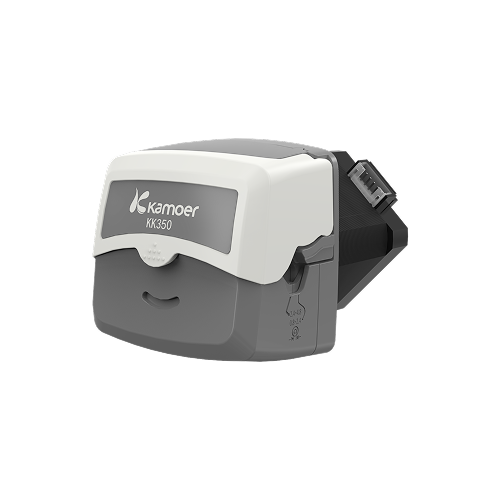
Peristaltic pumps
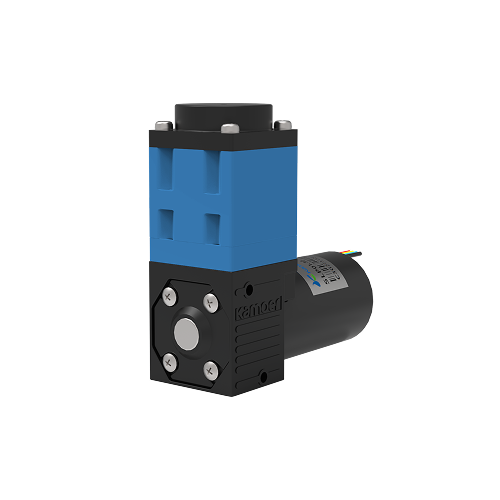
Liquid diaphragm pumps
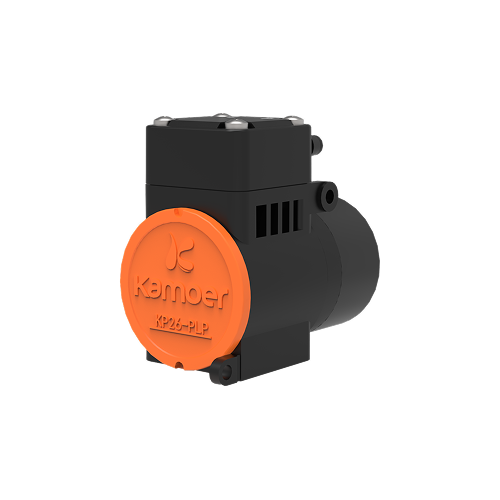
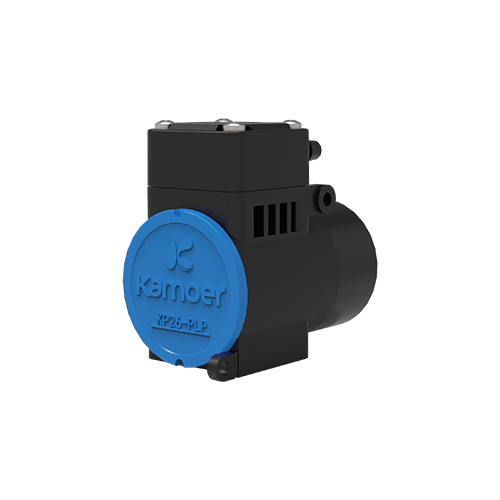
Diaphragm air and vacuum pumps
Each serves a different role within the instrument.
1. Reagent Dosing and Sample Transfer
Reagent and sample transfer are among the most common precision fluid-handling tasks in IVD instruments.
For example, a clinical chemistry or immunoassay analyzer may need to transfer reagents, buffers or process liquids into a reaction area according to a defined test sequence.
Typical requirements include:
- controllable flow;
- repeatability;
- stable low-flow delivery;
- compact dimensions;
- reduced contamination risk;
- and compatibility with the fluid being handled.
Why Are Peristaltic Pumps Suitable?
A peristaltic pump moves liquid by sequentially compressing flexible tubing with rotating rollers.
Because the liquid remains inside the tubing, it does not directly contact the pump mechanism.
This provides an important advantage in IVD systems where separation between the fluid and pump mechanism is desirable.
Changing the tubing can also make it easier to adapt the fluid path to different chemical compatibility requirements.
Motor speed can be used to control fluid delivery, making compact peristaltic pumps suitable for applications such as:
reagent dosing, sample transfer, buffer delivery, controlled liquid addition and multi-channel fluid handling.
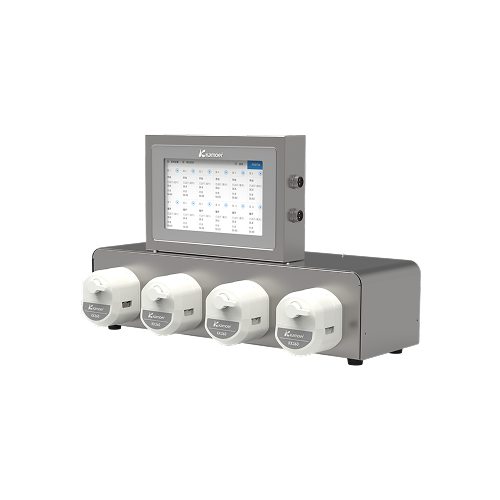
Multi-channel peristaltic pump designs can also support several fluid paths within a relatively compact instrument architecture.
2. Reaction Fluid and Reagent Circulation
Some diagnostic instruments require more than one-way liquid transfer.
Fluids may need to circulate continuously through part of the system, such as:
- reagent circulation;
- process-liquid circulation;
- temperature-control circuits;
- reaction-system fluid transfer;
- or other internal liquid loops.
These applications often require higher continuous flow than precision dosing applications.
Important parameters can include:
- flow rate;
- suction capability;
- outlet pressure;
- continuous operating stability;
- and fluid compatibility.
Liquid diaphragm pumps are often suitable for these applications.
A diaphragm liquid pump uses the reciprocating movement of a diaphragm together with inlet and outlet valves to create suction and discharge.
This architecture can provide relatively strong liquid-transfer capability in a compact package.
Compared with small peristaltic pumps primarily used for controlled dosing, diaphragm liquid pumps are often better suited to:
circulation, rapid liquid transfer, washing and waste discharge.
3. Probe Washing and Fluid-Line Cleaning
Automated IVD instruments frequently need to prepare the fluidic system for the next test cycle.
Sample probes, reaction areas, flow cells and internal tubing may need to be washed to reduce residual sample or reagent carryover.
A washing pump may therefore need to transfer a relatively large volume of cleaning solution within a short period of time.
Typical requirements include:
- sufficient flow rate;
- rapid response;
- strong suction;
- adequate outlet pressure;
- frequent start-stop operation;
- and long-term reliability.
Liquid diaphragm pumps are widely suitable for this type of fluid-handling task because they can combine compact dimensions with relatively high liquid-transfer capability.
For fluid circuits that are more sensitive to pulsation, a low-pulsation diaphragm pump design can also help reduce periodic flow variations.
4. Liquid Waste Handling
After testing, washing and reaction processes are complete, liquids must be transferred to a waste container.
Waste streams may contain combinations of:
- sample residues;
- reagents;
- cleaning solutions;
- buffers;
- and other chemical components.
Waste-pump selection therefore needs to consider more than flow rate.
Important factors may include:
- chemical compatibility;
- suction capability;
- flow capacity;
- long-term operation;
- contamination;
- and the possibility of deposits or blockage in the fluid line.
Depending on the fluidic architecture, liquid waste can be transported directly by a diaphragm liquid pump or removed through a vacuum-based aspiration system.
5. Aspiration and Vacuum Generation
Negative-pressure circuits are common in automated IVD instruments.
Typical applications include:
- liquid aspiration;
- waste aspiration;
- reaction-vessel evacuation;
- vacuum reservoir generation;
- fluidic pressure control;
- and certain molecular diagnostic processes.
These systems usually use miniature diaphragm air pumps or vacuum pumps to generate negative pressure.
Unlike a liquid metering pump, the main function of a vacuum pump is not necessarily to meter the liquid directly.
Instead, the pump creates a pressure difference that causes liquid or air to move through the fluidic pathway.
Important parameters therefore include:
- vacuum level;
- airflow;
- evacuation speed;
- operating noise;
- service life;
- and long-term vacuum stability.
A stable vacuum source can help automated analyzers achieve repeatable aspiration and waste-handling processes.
How Do Different Pump Technologies Work Together in an IVD Instrument?
There is no single pump technology that is ideal for every fluidic function inside an IVD analyzer.
A more practical approach is to select the pump according to the specific fluid task.
Peristaltic Pumps — Precision Fluid Transfer
Peristaltic pumps are suitable for applications requiring controlled fluid delivery and an isolated fluid path.
Typical tasks include:
- reagent dosing;
- sample transfer;
- buffer delivery;
- and multi-channel liquid handling.
Liquid Diaphragm Pumps — Circulation, Washing and Waste
Liquid diaphragm pumps are suitable when the fluidic system requires higher flow, stronger suction or rapid liquid transfer.
Typical tasks include:
- washing;
- circulation;
- tubing flushing;
- liquid transfer;
- and liquid waste discharge.
Diaphragm Air / Vacuum Pumps — Aspiration and Negative Pressure
Vacuum pumps are used when the system requires a controlled source of negative pressure.
Typical tasks include:
- aspiration;
- vacuum generation;
- waste handling;
- and pneumatic fluidic control.
By combining these pump technologies, IVD equipment manufacturers can address most fluid-handling functions from reagent delivery to washing and waste removal.
Micro Pump Applications in Different IVD Platforms
Clinical Chemistry Analyzers
Clinical chemistry analyzers automate the handling of samples, reagents, wash solutions and waste liquids.
Typical fluidic functions include:
- reagent transfer;
- buffer delivery;
- fluid circulation;
- probe washing;
- reaction-area washing;
- and liquid waste handling.
Peristaltic pumps may be used for controlled reagent or buffer delivery.
Liquid diaphragm pumps can support washing, circulation and waste transfer.
Vacuum pumps may be used for aspiration and negative-pressure waste systems.
Chemiluminescence Immunoassay Analyzers
Chemiluminescence immunoassay systems often contain more complex reagent-handling and washing sequences.
Magnetic-particle-based assays, for example, can involve repeated cycles of:
liquid addition → reaction → magnetic separation → aspiration → washing.
These processes place higher requirements on repeatability and automated fluid handling.
Peristaltic pumps can support reagent, buffer or wash-solution delivery.
Multi-channel pump configurations can help control multiple fluids in a compact space.
Liquid diaphragm pumps and vacuum pumps can support washing and waste aspiration.
Hematology and Urinalysis Analyzers
Hematology and urinalysis instruments may perform:
- sample handling;
- diluent delivery;
- reagent transport;
- washing;
- reaction-chamber cleaning;
- aspiration;
- and waste discharge.
These instruments often operate at relatively high testing frequencies.
Pump selection therefore needs to consider not only initial performance but also:
frequent start-stop operation, service life, material compatibility and batch-to-batch consistency.
Long-term flow changes should also be evaluated during instrument development.
Molecular Diagnostics and Sequencing
PCR systems, nucleic-acid extraction platforms, molecular diagnostic instruments and sequencing systems are increasingly moving toward more compact and integrated fluidic architectures.
Depending on the platform, the fluidic system may require:
- low-volume reagent transfer;
- buffer delivery;
- washing;
- waste aspiration;
- pneumatic pressure control;
- and vacuum control.
As instrument size decreases, pump dimensions, noise, power consumption and integration with valves and sensors become increasingly important.
Key Factors When Selecting a Micro Pump for IVD Equipment
Flow rate alone is not enough to determine whether a pump is suitable for an IVD instrument.
The following parameters should be evaluated together.
Flow Range and Repeatability
Define the actual operating flow range rather than selecting the pump only according to its maximum flow capability.
For dosing applications, repeatability at the intended working point may be especially important.
Pressure and Vacuum
The fluidic system should be evaluated for:
- suction pressure;
- outlet back pressure;
- tubing resistance;
- filters;
- valves;
- connectors;
- and other pressure losses.
Fluid and Reagent Properties
Important properties may include:
- viscosity;
- operating temperature;
- pH;
- chemical composition;
- and the presence of surfactants, salts or aggressive reagents.
Wetted-Material Compatibility
Tubing, diaphragms, valves, seals and other wetted components should be evaluated for compatibility with the actual fluid.
Material selection should be based on the complete reagent formulation rather than only the primary chemical ingredient.
Operating Mode
A pump operating continuously for several hours faces different reliability requirements from a pump performing thousands of short start-stop cycles.
The real duty cycle should therefore be included in pump validation.
Pulsation
Certain fluid circuits are more sensitive to instantaneous flow variation.
Pump pulsation should be evaluated together with tubing elasticity, system volume, valves and downstream restrictions.
Noise and Vibration
Compact benchtop analyzers and POCT systems may have strict noise and vibration requirements.
Size and Power Consumption
As IVD instruments become more integrated, compact size and lower power consumption are increasingly important.
Batch Consistency
After an IVD instrument enters mass production, the manufacturer needs consistent pump performance not only within one production batch but also between different production batches.
This makes manufacturing consistency an important consideration for OEM pump selection.
From Selecting a Pump to Designing a Complete Fluidic System
A pump rarely operates independently inside an IVD analyzer.
It normally works together with:
- solenoid valves;
- pinch valves;
- tubing;
- connectors;
- pressure sensors;
- liquid-level sensors;
- flow sensors;
- reservoirs;
- drivers;
- and control algorithms.
For this reason, reliable IVD fluid control requires more than selecting an individual pump model.
A better development process considers the entire fluid path:
flow → pressure → fluid compatibility → response time → duty cycle → sensing → control.
The pump, tubing, valves, sensors and control strategy can then be matched as one system.
This system-level approach is becoming increasingly important as diagnostic equipment moves toward smaller, more automated and more integrated fluidic architectures.
Kamoer Fluid Handling Solutions for IVD Equipment
Kamoer develops micro pumps and fluid-control components for equipment manufacturers across medical, life-science and analytical applications.
For IVD equipment, different pump technologies can be selected according to the fluidic function.
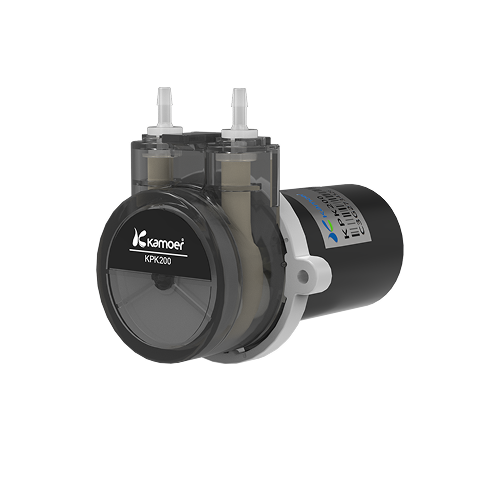
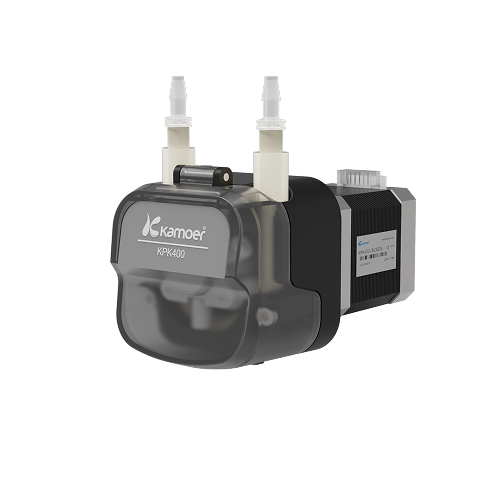
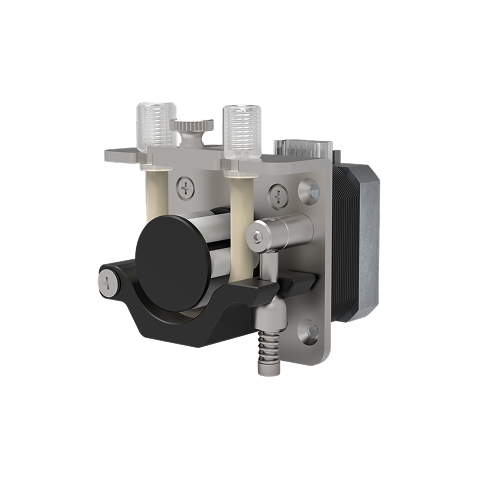
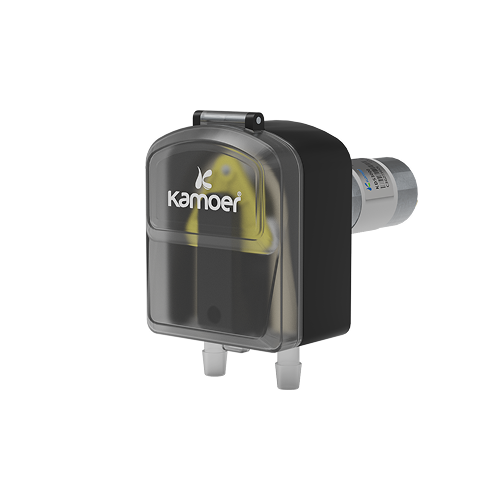
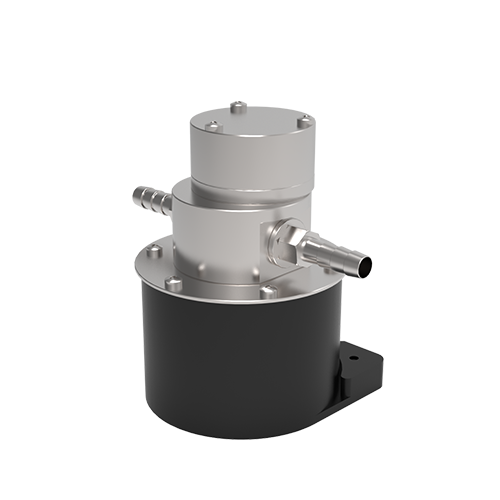
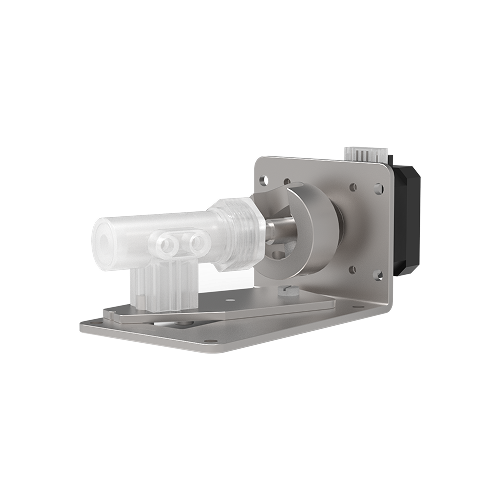
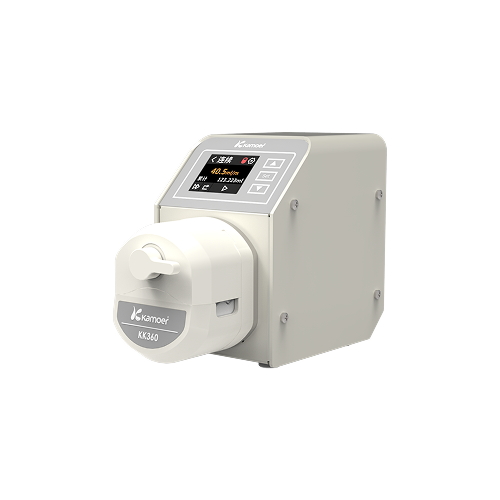
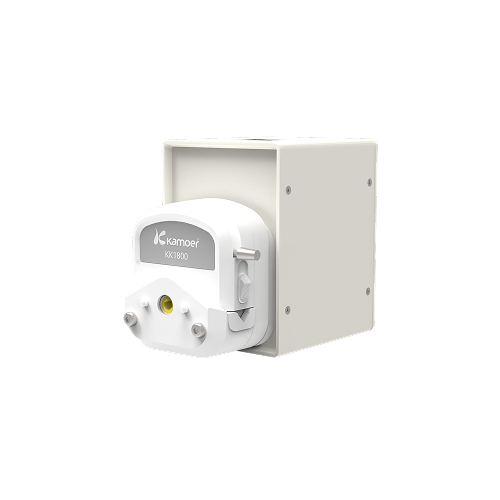
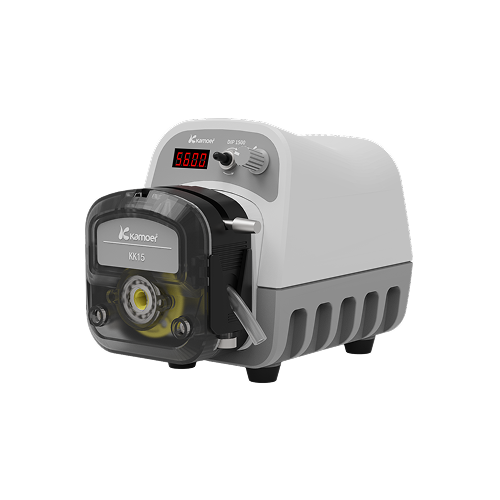
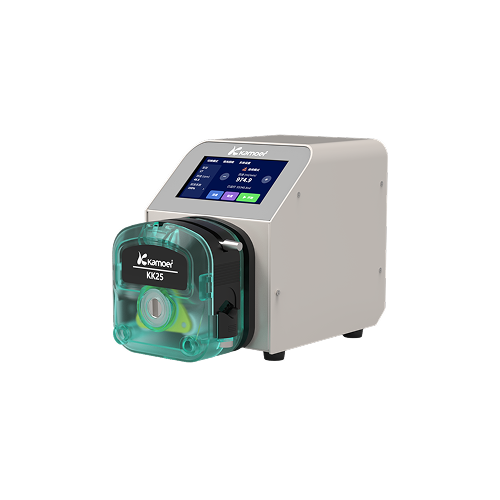
Peristaltic Pumps
Suitable for:
- reagent dosing;
- sample transfer;
- buffer delivery;
- controlled liquid transfer;
- and multi-channel fluid handling.
Available Kamoer pump platforms for evaluation can include:
KCSmin, KPP, KFS, KAS and KMC42.
The isolated fluid path of a peristaltic pump can also simplify wetted-material selection in certain applications.
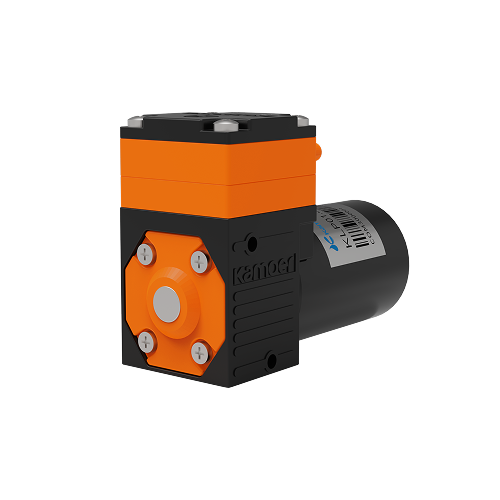
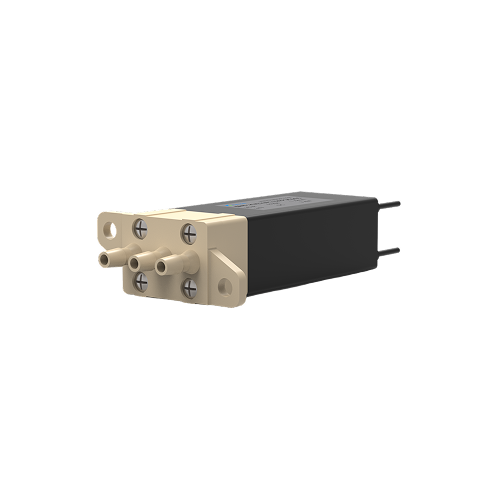
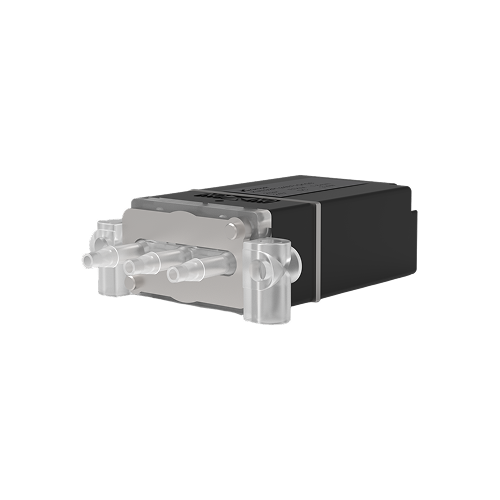
Liquid Diaphragm Pumps
Suitable for:
- liquid circulation;
- probe washing;
- tubing flushing;
- rapid liquid transfer;
- and waste discharge.
Pump platforms for different flow and system requirements can include:
KLP01.30, SLP01.30, KLP180P and KLLP1000.
Low-pulsation options can also be considered for fluid circuits requiring smoother liquid delivery.
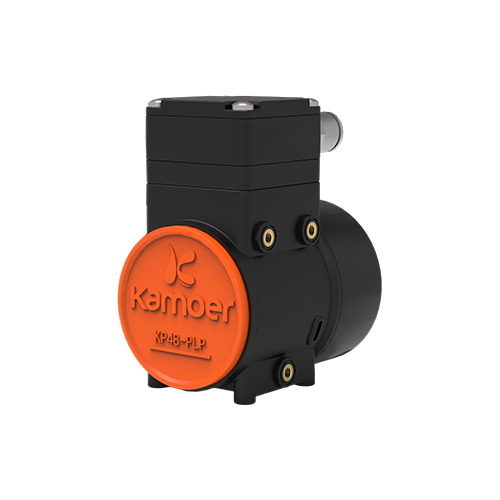
Diaphragm Air and Vacuum Pumps
Suitable for:
- vacuum generation;
- aspiration;
- negative-pressure waste handling;
- pneumatic control;
- and automated analyzer fluidics.
The appropriate vacuum pump should be selected according to required vacuum level, airflow, duty cycle, noise and system volume.
OEM Support from Prototype to Mass Production
For an IVD manufacturer, pump selection is only the beginning of the development process.
A complete OEM project may include:
Requirement Review → Pump Selection → Sample Evaluation → Application Verification → Pilot Production → Mass Production
Kamoer can support customers with pump selection, fluid-path evaluation, material selection, drive and control requirements, application testing and production introduction.
With ISO 13485 and ISO 9001 quality management systems, Kamoer focuses not only on whether a prototype pump can operate, but also on long-term stability, manufacturing consistency and repeatable performance during mass production.
Reliable IVD Fluid Control Requires More Than Initial Pump Performance
For an IVD instrument, achieving the required flow once is relatively easy.
The greater challenge is maintaining predictable fluid performance after thousands or tens of thousands of operating cycles.
OEM manufacturers therefore need to consider:
- long-term stability;
- material compatibility;
- duty-cycle reliability;
- within-batch consistency;
- batch-to-batch consistency;
- and scalable manufacturing.
A micro pump does more than move liquid.
Stable fluid delivery supports stable analytical processes, and reliable core components support reliable diagnostic instruments.
Kamoer provides peristaltic pumps, liquid diaphragm pumps, vacuum pumps and fluid-control solutions for clinical chemistry, immunoassay, hematology, urinalysis, molecular diagnostics and other IVD platforms.
Looking for a Micro Pump for Your IVD Instrument?
If you are developing a new diagnostic analyzer or optimizing an existing fluidic system, providing several basic operating conditions can greatly improve pump selection:
- fluid or reagent;
- required flow rate;
- required pressure or vacuum;
- operating mode;
- tubing and fluid-path information;
- equipment space limitations;
- and estimated annual demand.
Kamoer engineers can help evaluate suitable peristaltic, liquid diaphragm or vacuum pump options according to your application.
Tell us your IVD fluid handling requirements and get a pump recommendation for your application.